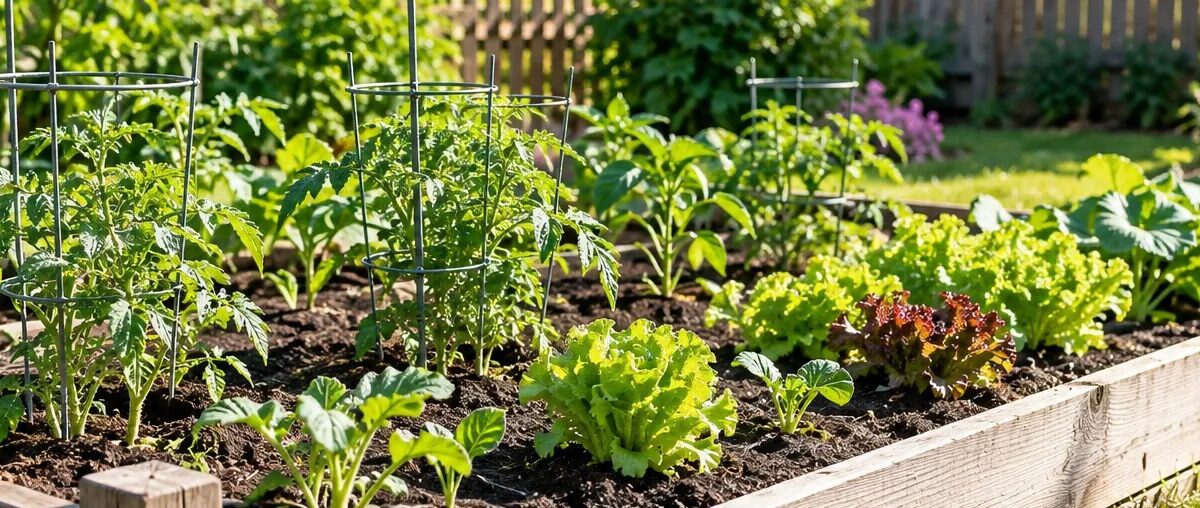
Starting a vegetable garden for the first time can feel more complicated than it needs to be. The good news is that a productive first garden doesn’t require special equipment, a large yard, or years of experience — it requires picking the right spot, preparing the soil correctly, and starting smaller than you’re tempted to.
This guide walks through the basic steps recommended by university extension services and agricultural resources, so you can plan a garden that’s realistic for your first season.
Why Start With a Small Garden
It’s tempting to plan an ambitious garden in your first year, but a smaller plot is easier to maintain and far less likely to become overwhelming by midsummer. Recommended starting sizes vary by source, but university extension guidance for first-time gardeners commonly falls somewhere in the range of roughly 25 to 75 square feet — enough room for a handful of vegetable types without requiring hours of daily upkeep. Checking with your own local extension office is the best way to get a recommendation suited to your space and experience level.
Starting small also makes it easier to learn how your specific yard behaves: how quickly the soil dries out, which corners get more shade than expected, and how much time you actually want to spend on maintenance. You can always expand the following year once you have a season of experience behind you.
Choosing the Right Spot
Sunlight
Most vegetables need a lot of direct sun to produce well. Look for a spot that gets at least six hours of full sun a day, and more if possible. Fruiting vegetables like tomatoes and peppers are especially sun-hungry, while leafy greens can tolerate somewhat less light.
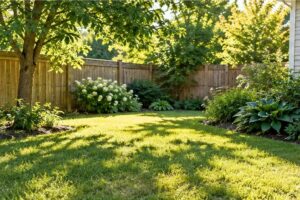
Before committing to a spot, it helps to observe it over the course of a full day. Shade from nearby trees, fences, or the house itself can shift significantly between morning and afternoon, and a spot that looks sunny at 10 a.m. may be shaded by 3 p.m.
Drainage and Access
Avoid low-lying areas where water tends to pool after rain — waterlogged roots are a common cause of poor growth and disease. A gently sloped or level, well-draining spot is ideal.
It’s also worth thinking about convenience. A garden that’s a short walk from your door, ideally near an outdoor water source, is much more likely to get consistent attention than one tucked in a far corner of the yard.
Testing and Preparing Your Soil
Good vegetable garden soil is loose, crumbly, drains well, and contains plenty of organic matter. Heavy clay or compacted soil makes it hard for roots to spread, while soil that’s too sandy drains too quickly to hold nutrients.
A soil test is one of the most useful things a first-time gardener can do before planting. Testing tells you your soil’s pH and nutrient levels, which removes the guesswork from deciding what (if anything) to add. Many state university extension offices offer affordable soil testing services, and results usually come with specific recommendations for your area.
Working organic matter such as compost into your soil is one of the most reliable ways to improve both drainage and fertility, whether your native soil leans sandy or heavy with clay. How much to add isn’t one-size-fits-all, though — your soil test results and your local extension office’s recommendations are the best guide, since the right amount depends on what your soil is starting with.
Easy Vegetables for First-Time Gardeners
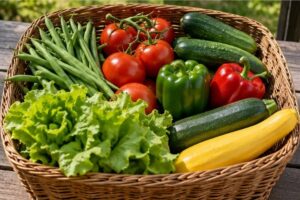
Not all vegetables are equally forgiving for a first attempt. Crops commonly recommended for beginners include:
- Bush beans — fast-growing and low-maintenance, with no staking required
- Tomatoes — reliable producers, though they benefit from staking or caging
- Cucumbers — vigorous growers that do well with a trellis to save space
- Peppers — slower to start but generally low-maintenance once established
- Lettuce and other leafy greens — quick to mature and tolerant of partial shade
- Summer squash — highly productive, often more than a small household can use
Choosing four or five of these rather than a dozen different crops makes it easier to learn the specific needs of each plant without feeling stretched thin.
A Simple Planting Timeline
Exact planting dates depend heavily on your local climate, so it’s worth checking your specific frost dates before committing to a schedule. As a general framework:
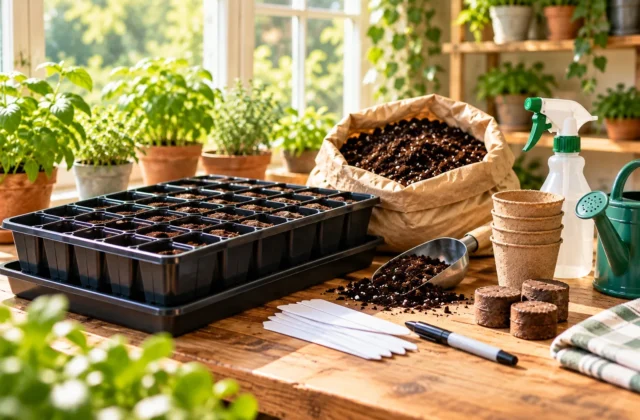
- Before your last frost date, prepare your soil and, if you’re starting warm-season crops like tomatoes or peppers from seed indoors, begin them several weeks ahead.
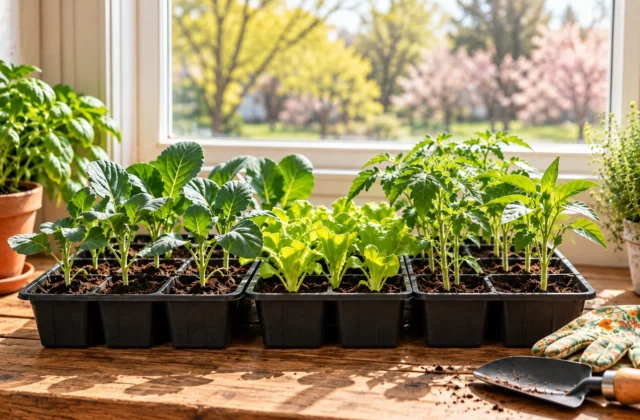
- After your last frost date has safely passed, transplant warm-season seedlings and direct-sow crops like beans, squash, and cucumbers.
- Cool-season crops like lettuce and other leafy greens can often go in earlier, since they tolerate cooler soil and light frost better than warm-season vegetables.
Your local extension office is typically the most reliable source for exact frost dates and planting windows in your specific area, since these vary widely across the country. It’s worth noting that this is a different question from your USDA hardiness zone: your zone tells you which perennial plants can survive winter where you live, but it doesn’t tell you your frost dates or vegetable planting schedule. For those, you’ll want frost date data specific to your location rather than your hardiness zone alone.
Basic Maintenance: Watering and Weeding
How often you need to water depends on your soil type, the weather, the specific crop, and its growth stage — sandy soil dries out faster than clay, hot or windy stretches increase water needs, and young seedlings generally need more frequent, gentler watering than established plants. Rather than watering on a fixed schedule, check the soil itself: if the top couple of inches feel dry, it’s usually time to water, and if it’s still moist, you can wait. When you do water, soaking deeply enough to reach the root zone is generally more effective than light, frequent sprinkling, which can encourage roots to stay near the surface.
Weeding regularly, especially while plants are young, prevents weeds from competing for water, nutrients, and light. A layer of mulch around your plants can cut down on both weeding time and how often you need to water, since it slows moisture evaporation from the soil surface.
Watering and weeding are also good times to look your plants over, including the undersides of leaves. If you start seeing holes in leaves or a plant that wilts suddenly, our guide to common vegetable garden pests can help you figure out what’s causing it before you reach for a spray.
Common Beginner Mistakes to Avoid
- Planting too much, too soon. A garden that’s too large to maintain often ends up neglected by midsummer.
- Skipping the soil test. Guessing at soil needs can lead to over- or under-fertilizing.
- Ignoring sunlight patterns. A spot that seems sunny during a quick glance may not get enough light throughout the day.
- Watering on a fixed schedule regardless of conditions. Weather, soil type, and plant size all affect how often watering is actually needed.
- Not planning for mature plant size. Seedlings that look small at planting time can need significantly more space once fully grown.
Frequently Asked Questions
Do I need raised beds to start a vegetable garden?
No. Raised beds can help with drainage and soil control, but an in-ground garden with well-prepared soil works well for most beginners.
How much does a soil test cost?
Costs vary by state and lab, but many university extension soil testing programs are inexpensive relative to the value of the information they provide.
Can I start a vegetable garden without much experience?
Yes. Starting small, choosing forgiving crops, and following basic sunlight, soil, and watering guidelines gives most beginners a reasonable chance of a productive first season.
What if part of my yard doesn’t get enough sun?
Consider a container garden or a different location for lower-light spots, and reserve your sunniest area for the vegetables that need it most, like tomatoes and peppers.